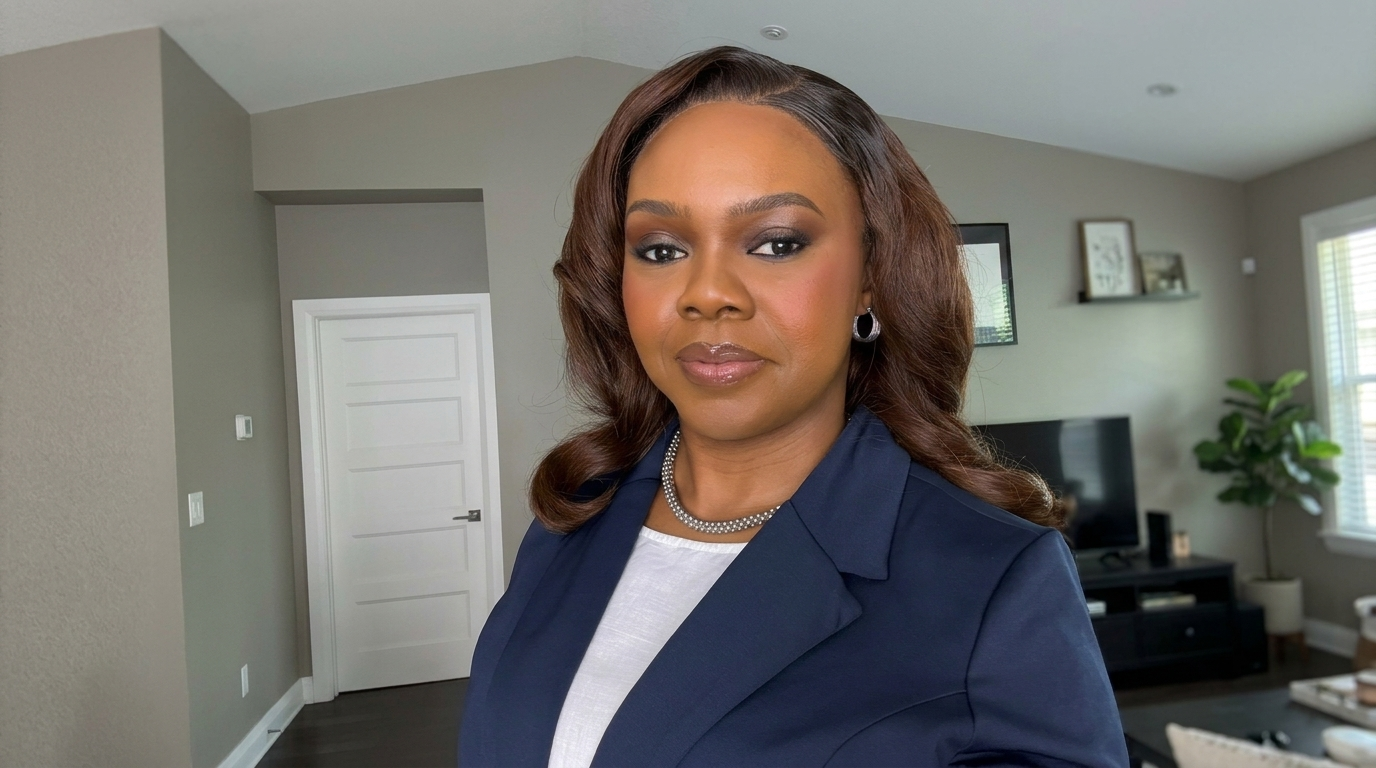
I had a decade of experience, a respected career, and a secret I was nodding my way through.
This is the most honest story in this series. It’s also the one I almost didn’t write.
By 2017, I had been in banking for nearly ten years. I had started in operations, learned credit, kept clients for years, and helped hold together a national payment project. From the outside, I looked like someone who had it figured out.
And I had a secret.
I could not properly make sense of a profit and loss statement. Financial models made my head spin.
Ten years. In a bank.
Yes, really.
The Problem
Let me be clear about what I mean, because the distinction matters.
I understood banking. I understood how money moved through the system, how credit decisions were made, how processes ran from end to end. I could tell you exactly what happened to a transaction after it left a customer’s hands.
But when the conversation moved to P&L, forecasts and financial models, the ground shifted under my feet. Someone would put up a spreadsheet full of projections and I would feel that quiet, sinking feeling. The one where you hope nobody turns to you and asks, “Juliet, what do you think?”
So I did what a lot of experienced professionals do.
I nodded.
I nodded in meetings. I nodded through presentations. I nodded along with confident conclusions I couldn’t fully check. And I’m sure I wasn’t the only one in the room doing it.
Here is the trap nobody warns you about. The longer you stay in a career, the harder it gets to say “I don’t know this.” People assume you do. After a while, you start assuming you should. Admitting a gap at year one is normal. Admitting a gap at year ten feels like confessing to a crime.
So you protect the gap. You work around it. You become very, very good at nodding.
But I knew something else too. If I wanted to grow into bigger rooms and bigger decisions, nodding was not going to get me there. The people making the biggest calls in the business were speaking a language I only half understood.
I could keep hiding it. Or I could fix it.
The Pursuit
I stopped hiding and went after it.
I enrolled in a financial modeling and valuation certification. That meant going back to basics, at a point in my career when I was supposed to be the experienced one. Learning formulas I felt I “should” already know. Building models from scratch. Getting things wrong, and then getting them wrong again in a slightly more sophisticated way.
My ego was not thrilled. But I completed it in 2018.
And something unexpected happened. Once I started to understand the numbers, I realized the gap was bigger than spreadsheets. I didn’t just want to read a P&L. I wanted to understand how an entire business works: strategy, marketing, people, operations, finance, all of it together. Not just the banking slice I had lived in for a decade.
So I kept going. I enrolled in an MBA.
I’ll spare you the full drama, but let’s just say this was not happening in a quiet season of life. I was working full-time and raising young children. Some evenings, studying meant waiting for the house to finally go silent and then finding enough energy for one more chapter. If you’ve ever studied with little ones at home, you already know. If you haven’t, imagine trying to understand valuation models while someone urgently needs a snack.
I completed my MBA in 2020.
The Payoff
Those two decisions changed how I saw my own work.
For the first time, I could connect the processes I understood so well to the numbers leadership actually cared about. I could walk into a room and talk about impact, not just activity. Not “I improved the process,” but “I improved the process, and here is what it meant for cost, risk and revenue.”
That shift changed how people listened to me.
It also gave me the confidence to make my biggest move yet. Not long after, I made the decision to leave banking in Nigeria and start over in Canada.
But that is a whole new series.
Experience is not the same as knowing everything. The strongest professionals are the ones who name their gaps and close them.
What this means for you
I see this constantly in the mid-to-senior professionals I work with.
They have years of real, valuable experience. And almost every one of them has one gap they’re quietly embarrassed about. Maybe it’s data. Maybe it’s AI tools. Maybe it’s leading people, or presenting to executives, or understanding the financial side of the business.
They’ve been nodding through it for years.
Here is what I want you to hear: that gap is often the very thing holding back your next role. Not your experience. Not your age. Not the market. That one gap.
And the good news is that gaps are fixable. Usually much faster than you fear. I went from nodding through P&L conversations to building financial models. You can close yours too.
Admitting it is not weakness. It’s the first step of the fix.
Try this this week
- Name your gap. Finish this sentence honestly, just for yourself: “The thing I’ve been nodding through is…”
- Check if it’s blocking you. Look at three job postings for the role you want. Does your gap show up in them? If yes, it’s not optional anymore.
- Take one small step. Not a whole degree. One course, one book, one conversation with someone who knows it well. Start this week, not “when things calm down.” Trust me, they won’t.
This is the last story in The Banking Years. Thank you for coming along on this ride with me.
Next up, a new series: starting over in Canada, running into the “Canadian experience” wall, and how I landed my first BA role a few weeks before graduation. You won’t want to miss that one.
Talk soon,
Jules
P.S. Not sure what your gap is? Your Career Readiness Score shows you the top gaps between your resume and the role you’re targeting. Free, 3 minutes, no call required.